
The Role of Housing in a Functional Society
Housing is often viewed as a basic necessity, something people need, but rarely something that is deeply examined. Yet in reality, housing plays a far more critical role. It is not just about providing shelter; it is about creating the conditions that allow individuals, families, and entire communities to function effectively. When housing systems are stable, everything else has the opportunity to work as it should.
🏠 More Than Shelter
At its core, housing provides safety and protection. But beyond that, it creates structure. A stable home gives people a consistent place to return to, a base from which they can organize their lives. Without that foundation, even the simplest aspects of daily living, work, school, routines become more difficult. Housing is not just where life happens; it is what allows life to operate smoothly.
👨👩👧 The Foundation for Families
For families, housing stability is essential. It supports routines, strengthens relationships, and provides children with a consistent environment in which to grow. When families don’t have to worry about frequent moves or unpredictable living situations, they can focus on long-term goals. Stability at home creates the conditions for stronger parenting, better education outcomes, and healthier development.
💼 Supporting Economic Function
A functional society depends on a stable workforce, and housing plays a direct role in that. When individuals have reliable living situations, they are better able to maintain employment, pursue opportunities, and contribute to the economy. Housing instability, on the other hand, can disrupt jobs, reduce productivity, and limit upward mobility. In this way, housing is not separate from the economy, it is deeply connected to it.
🏘️ Strong Housing, Strong Communities
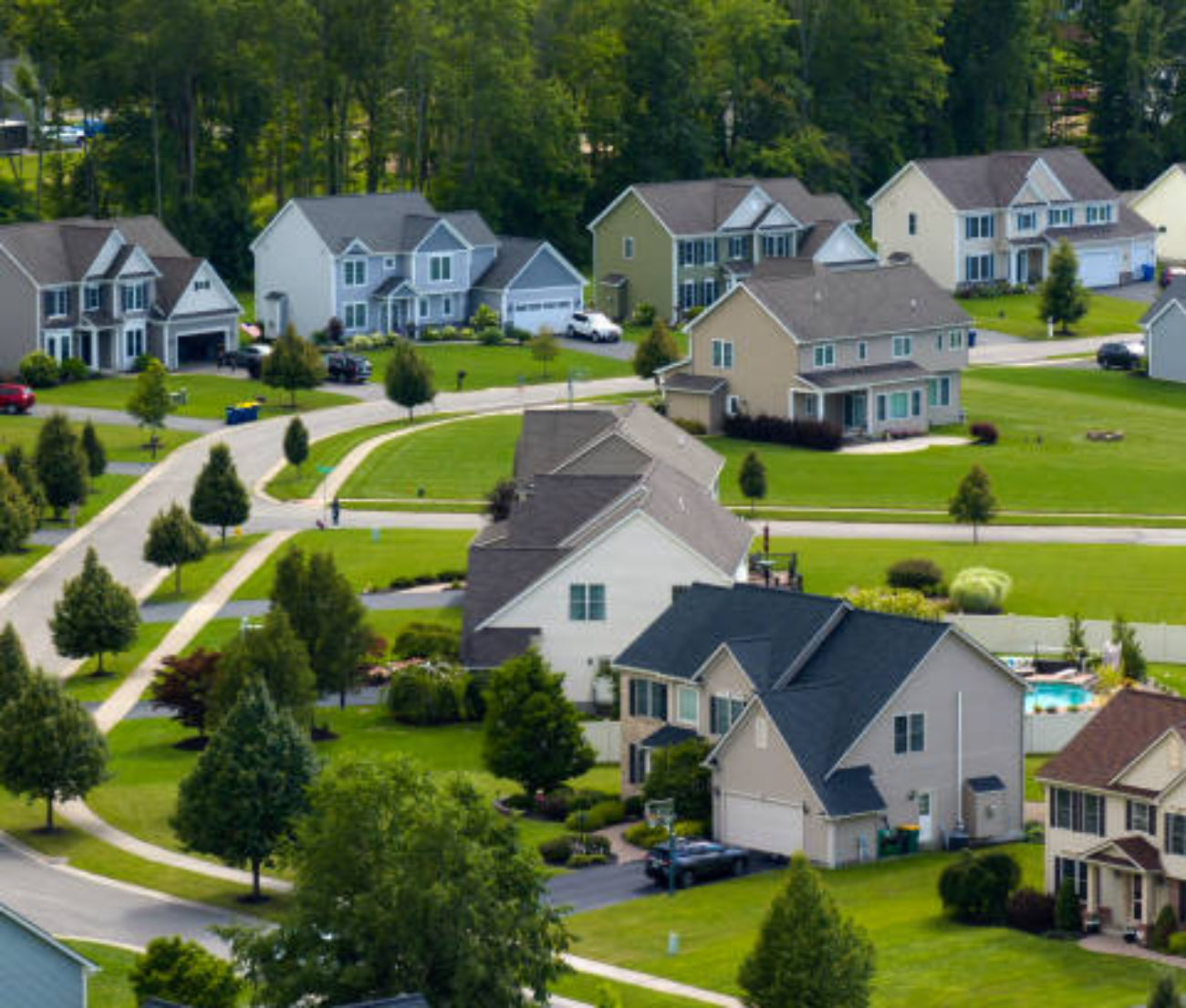
Communities thrive when residents stay. Long-term housing creates familiarity, trust, and a sense of belonging among neighbors. Schools, local businesses, and community organizations all benefit when populations are stable. When housing becomes unpredictable, communities can weaken relationships are harder to build, and engagement declines. Stability is what turns a group of houses into a functioning neighborhood.
🧠 Reducing Stress, Improving Well-Being
A stable home environment also has a powerful impact on mental and emotional well-being. When people feel secure in where they live, stress levels decrease. This allows individuals to focus on personal growth, relationships, and long-term planning rather than short-term survival. A functional society depends not just on physical systems, but on the well-being of the people within it and housing plays a central role in that.
🌍 Housing as Infrastructure
It’s time to rethink how housing is viewed. Just like roads, schools, and healthcare systems, housing is a form of infrastructure. It supports everything else. When housing systems are strong, they enable education, economic activity, and community development. When they are weak, the effects ripple outward, impacting every part of society.
🚀 A Foundation for the Future
As the world continues to change, the importance of stable housing will only grow. A functional society is not built on short-term solutions, but on consistent, reliable systems that support people over time. Housing is one of those systems. By prioritizing stability, quality, and accessibility, we create not just better homes but a stronger, more resilient society for everyone.