The Quiet Shift From Bigger Homes to Better LivinG
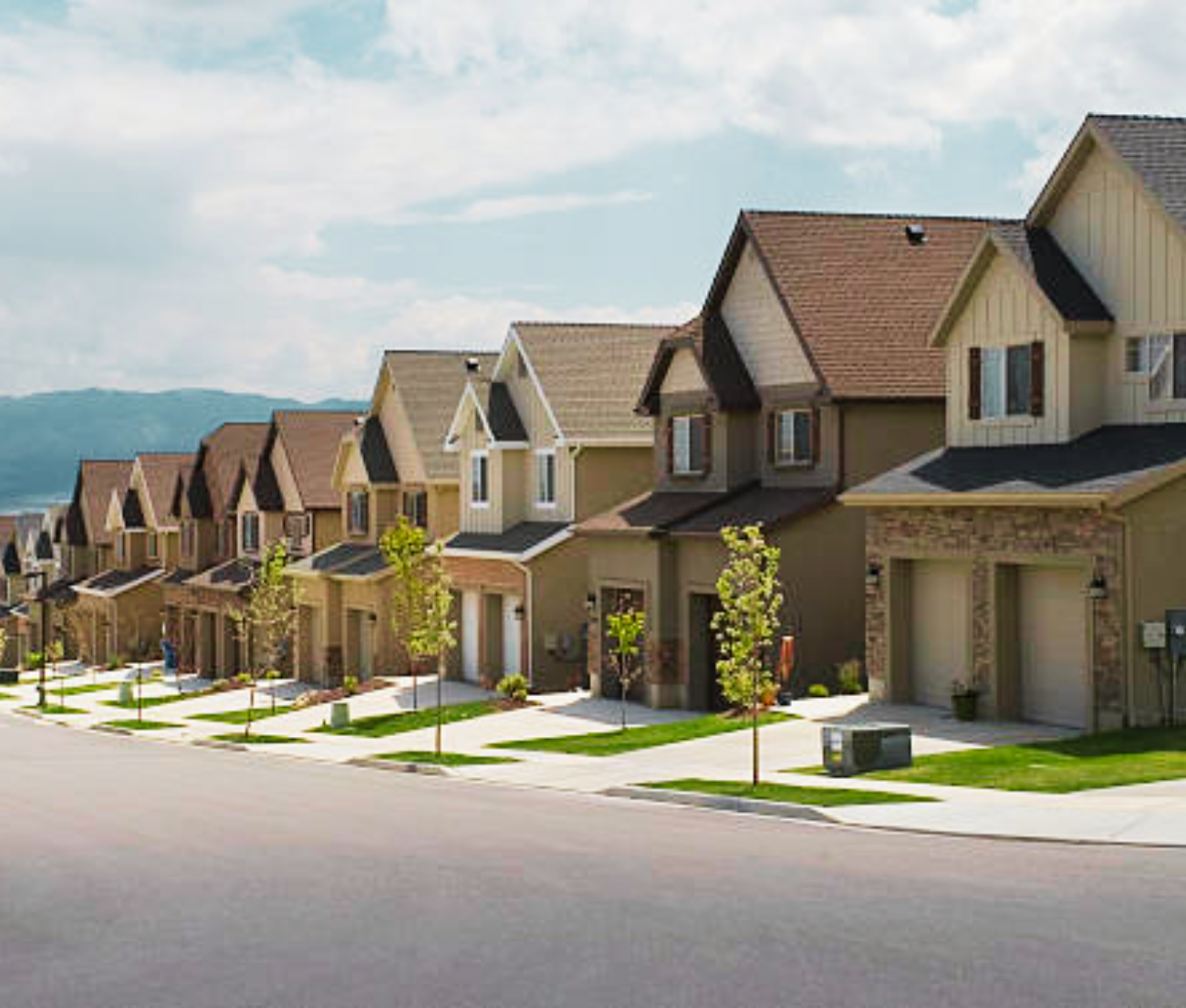
For a long time, the idea of “better living” was closely tied to size. Bigger homes, more rooms, larger yards, and upgraded finishes were often seen as clear indicators of success. But in 2026, a quiet shift is happening. Instead of focusing on bigger spaces, more people are prioritizing better living homes that feel stable, functional, and aligned with real life.
🏠 From Size to Substance
The definition of a “good home” is evolving. While space still matters, it is no longer the only factor. Many families are realizing that a larger home does not always translate to a better lifestyle. In fact, more space can sometimes mean more maintenance, higher costs, and added complexity.
Today, people are beginning to ask different questions:
📌 Does this home support my daily life?
📌 Is it manageable and financially sustainable?
📌 Does it create comfort or added stress?
The focus is shifting from “how big is it?” to “how well does it work?”
💸 Rising Costs Are Changing Priorities
Economic pressure is one of the biggest drivers of this shift. As housing costs, utilities, and general living expenses continue to rise, many households are becoming more intentional with their choices. Bigger homes often come with higher ongoing costs, which can limit flexibility in other areas of life.
Instead of stretching for more space, families are increasingly choosing homes that allow for:
🏡 Predictable monthly expenses
🏡 Financial breathing room
🏡 More balanced budgeting
In this context, better living is about sustainability, not expansion.
🧠 Comfort Is Becoming the New Luxury
Comfort today is not just about physical space, it’s about mental ease. A home that feels manageable, stable, and stress-free often provides more value than a larger home that feels overwhelming or financially draining.
Better living includes:
🔥 A sense of stability and control
🔥 Fewer unexpected costs or disruptions
🔥 A layout that fits real daily routines
In many cases, peace of mind is becoming more valuable than extra square footage.
👨👩👧 Homes That Fit Real Life
Families are also rethinking what they truly need from a home. Instead of maximizing size, they are focusing on how well a space supports everyday life. This includes proximity to work or schools, ease of maintenance, and environments that encourage routine and connection.
A well-fitted home can:
👪 Strengthen family routines
👪 Reduce daily stress
👪 Improve overall quality of life
It’s not about having more rooms, it’s about having the right environment.
🌱 Better Living Over Bigger Living
This shift reflects a broader change in mindset. People are no longer equating “more” with “better” in the same way. Instead, they are prioritizing balance, stability, and long-term livability.
Better living means choosing what is sustainable, not just what is impressive. It’s about creating a home that supports life rather than complicates it.
🚀 A Quiet but Powerful Shift
The move from bigger homes to better living is not loud or sudden, it’s gradual and intentional. But its impact is significant. As priorities continue to evolve, the value of a home is increasingly being measured not by its size, but by how well it supports the people inside it.
In the end, better living is not about having more space, it’s about having the right space to build a stable, meaningful life.