
Why Moving Less Might Be the Real Flex in 2026
In today’s culture, movement has often been associated with growth, new cities, new homes, new opportunities. But in 2026, that narrative is starting to shift. More families are realizing that constantly moving doesn’t always mean moving forward. In fact, the ability to stay put, build roots, and create consistency is quietly becoming one of the most valuable advantages in modern life.
🔄 The Hidden Cost of Constant Moving
At first glance, moving can feel like progress. But behind every relocation are hidden costs, financial strain, emotional stress, and disrupted routines. Packing, deposits, school changes, and time off work all add up. For families, especially, these transitions can create instability that impacts everything from daily schedules to long-term planning. What seems like flexibility can often lead to fatigue.
🧠 Stability Simplifies Life
When you remove the uncertainty of frequent moves, life becomes more manageable. Stable housing allows families to establish routines, plan finances more effectively, and focus on what truly matters. Instead of constantly adapting to new environments, families can invest their energy into growth, whether that’s career development, education, or personal well-being. Stability reduces noise and creates clarity.
👨👩👧 Stronger Families, Stronger Foundations
Consistency at home has a powerful impact on family dynamics. Children benefit from staying in the same schools, maintaining friendships, and feeling secure in their environment. Parents experience less stress when housing is predictable. Over time, this stability strengthens relationships and creates a foundation where families can thrive instead of simply adjusting.
🤝 Deeper Community Connections
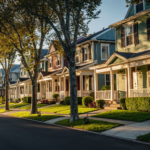
When people stay longer in one place, communities become stronger. Neighbors become familiar faces, local networks grow, and a sense of belonging develops. Frequent moving can prevent these connections from forming, while stability encourages engagement and trust. Over time, this creates neighborhoods that feel supportive rather than temporary.
💼 Stability as a Modern Advantage
In a world that often celebrates speed and change, stability is becoming a competitive edge. Families with predictable housing can plan ahead, save more effectively, and make decisions with confidence. This level of control is increasingly valuable in an unpredictable economy. What once seemed like standing still is now a strategic advantage.
🚀 Redefining What It Means to “Level Up”
The idea of success is evolving. It’s no longer just about constant upgrades or chasing the next opportunity, it’s about building a life that is sustainable and secure. In 2026, the real flex may not be how often you move, but how confidently you can stay. Stability offers something that constant change cannot: the ability to grow from a strong, steady foundation.